KEEP NEWS
KEEP Advisory Board Forge Path for Industry-Academia Collaboration
Published: 29 Nov 2025
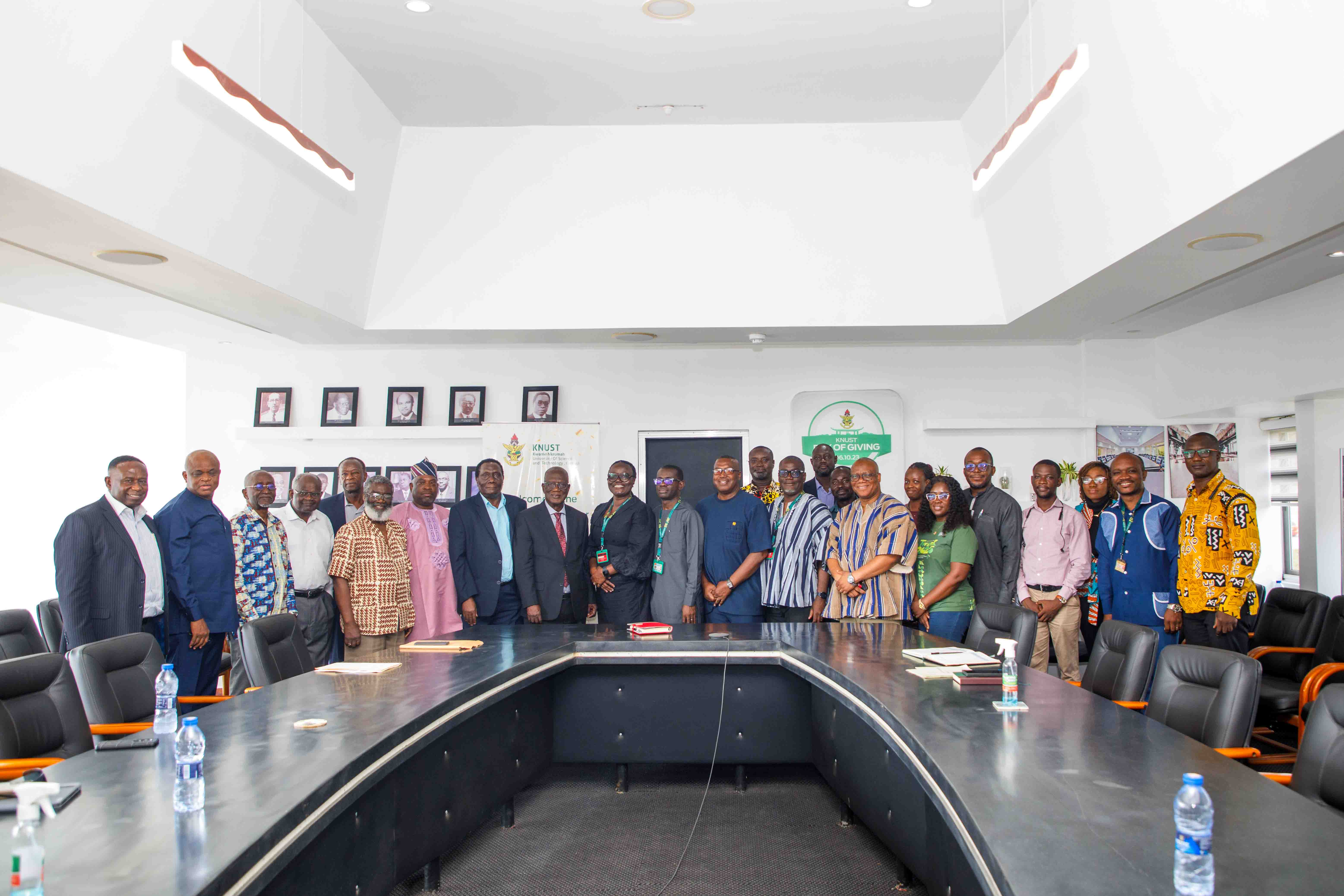
The Industrial Advisory Board (IAB) and International Scientific Advisory Board (ISAB) of the KNUST Engineering Education Project (KEEP) paid a courtesy call on the Vice-Chancellor of the Kwame Nkrumah University of Science and Technology (KNUST), Prof. Rita Akosua Dickson. The meeting, held on November 28, 2025, preceded the board's in-person meeting to assess the project's progress and to witness the climax of the University's 59th Congregation, in which 15 PhD students funded by the project will be graduating.
The gathering brought together a distinguished cohort of industry leaders and international academics. The IAB was represented by its Chairman, Ing. Frederick Asare-Yeboah, alongside Ing. William Amuna, Ing. Nana Joe Mensah, Dr. Kwaku Aning, Dr. Victor Atiemo-Obeng, and Dr. Ben Asante. The ISAB delegation included its Chairman, Prof. Johnson Asumadu; Dr. Joseph Odartey Cruickshank; Prof. Muyiwa Sam Adaramola; and Dr. Richard Okine.
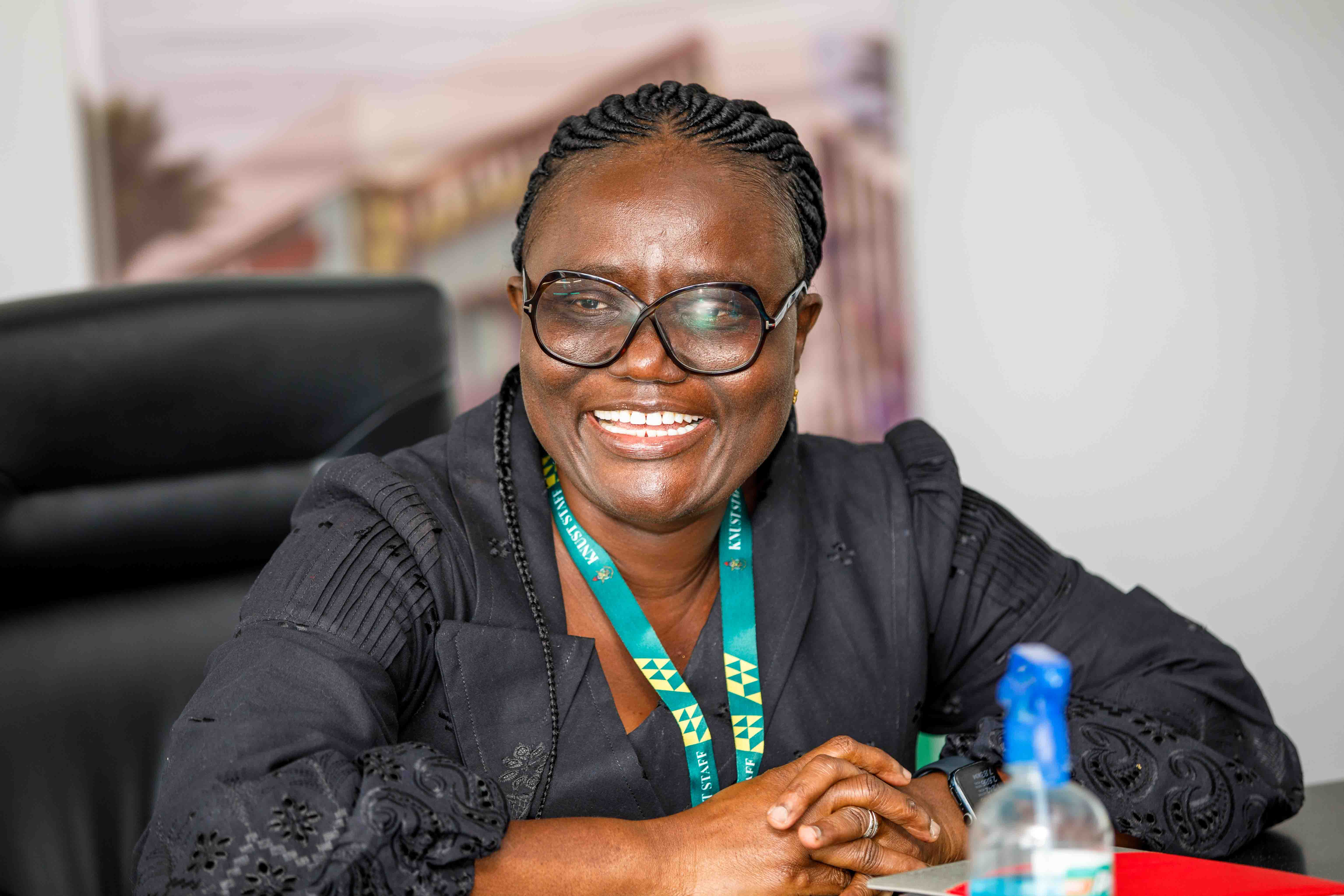
Welcoming the esteemed members, the Vice-Chancellor invited the Provost of the College of Engineering, Prof. Kwabena Biritwum Nyarko, to outline the purpose of the visit. Prof. Nyarko explained that the joint in-person meeting was convened to conduct a physical assessment of KEEP's performance and to allow the board members to participate in the climax of the 59th Congregation.
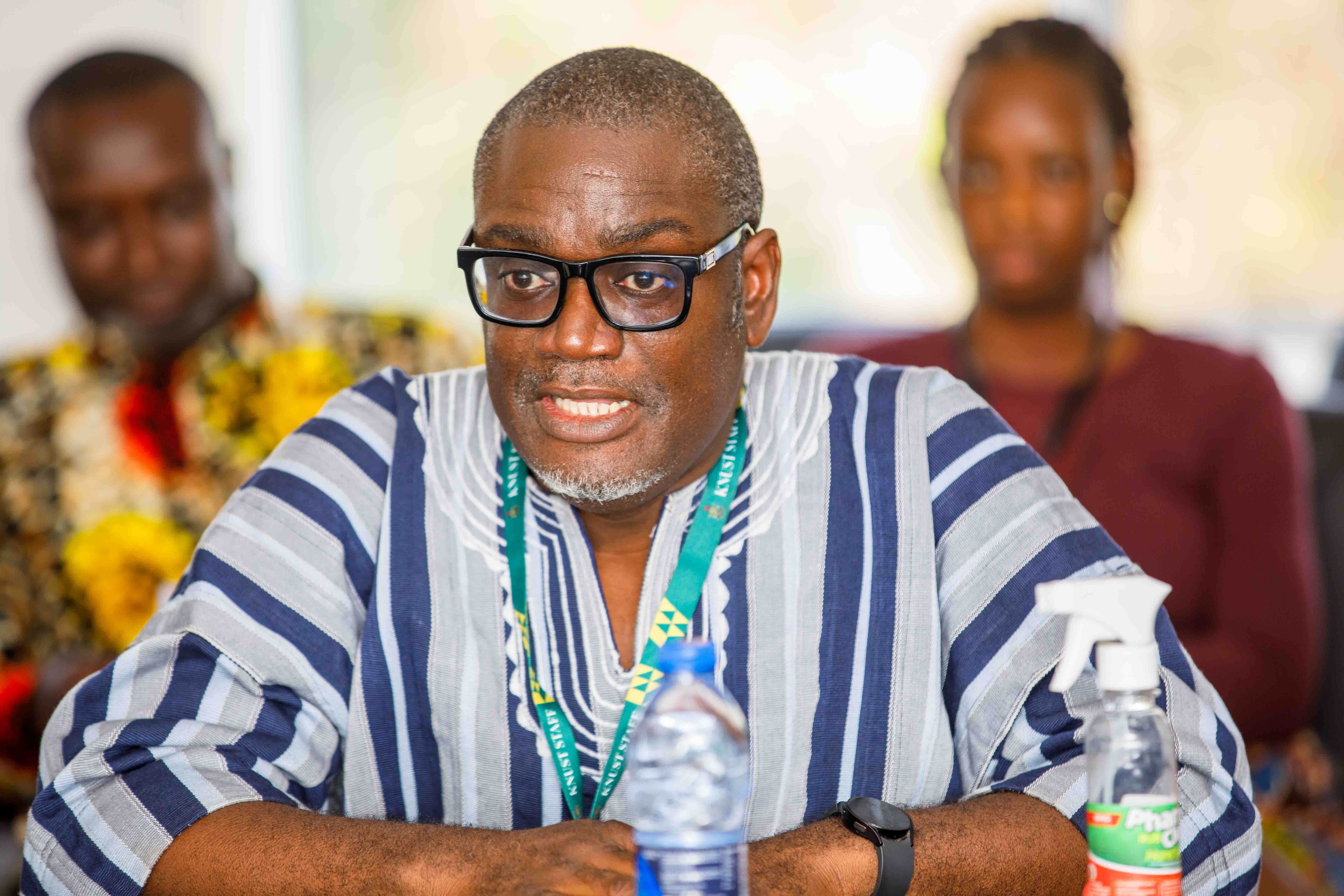
Prof. Nyarko revealed that a board member had generously donated $20,000 to support KEEP’s ongoing activities, a testament to the members' deep commitment to the project's success. Echoing this, Ing. Frederick Asare-Yeboah announced that both boards have agreed to hold such physical meetings every two years to maintain strong, hands-on oversight.
Prof. Dickson expressed her profound appreciation for the board's unwavering support. She highlighted the "diverse range of rich experiences and expertise" they bring, being well-positioned on both global and African fronts. Emphasising that the university holds them in high esteem, the Vice-Chancellor called for their continued partnership and candid feedback to achieve even greater successes.
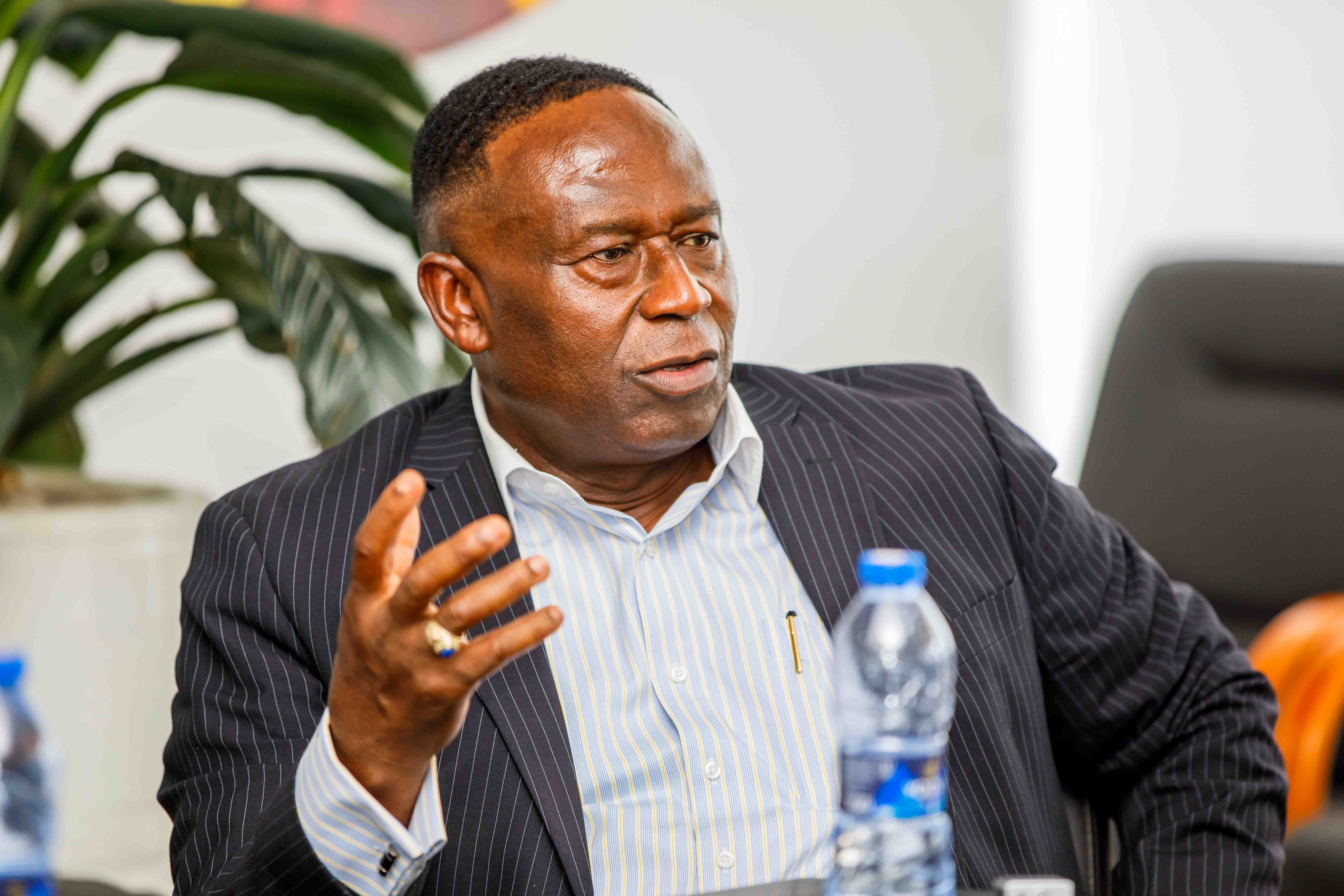
The session then evolved into a strategic brainstorming forum, with board members offering transformative ideas for KNUST's future. Ing. Nana Joe Mensah proposed the development of a rail system on campus to improve mobility, a suggestion the Vice-Chancellor warmly welcomed.
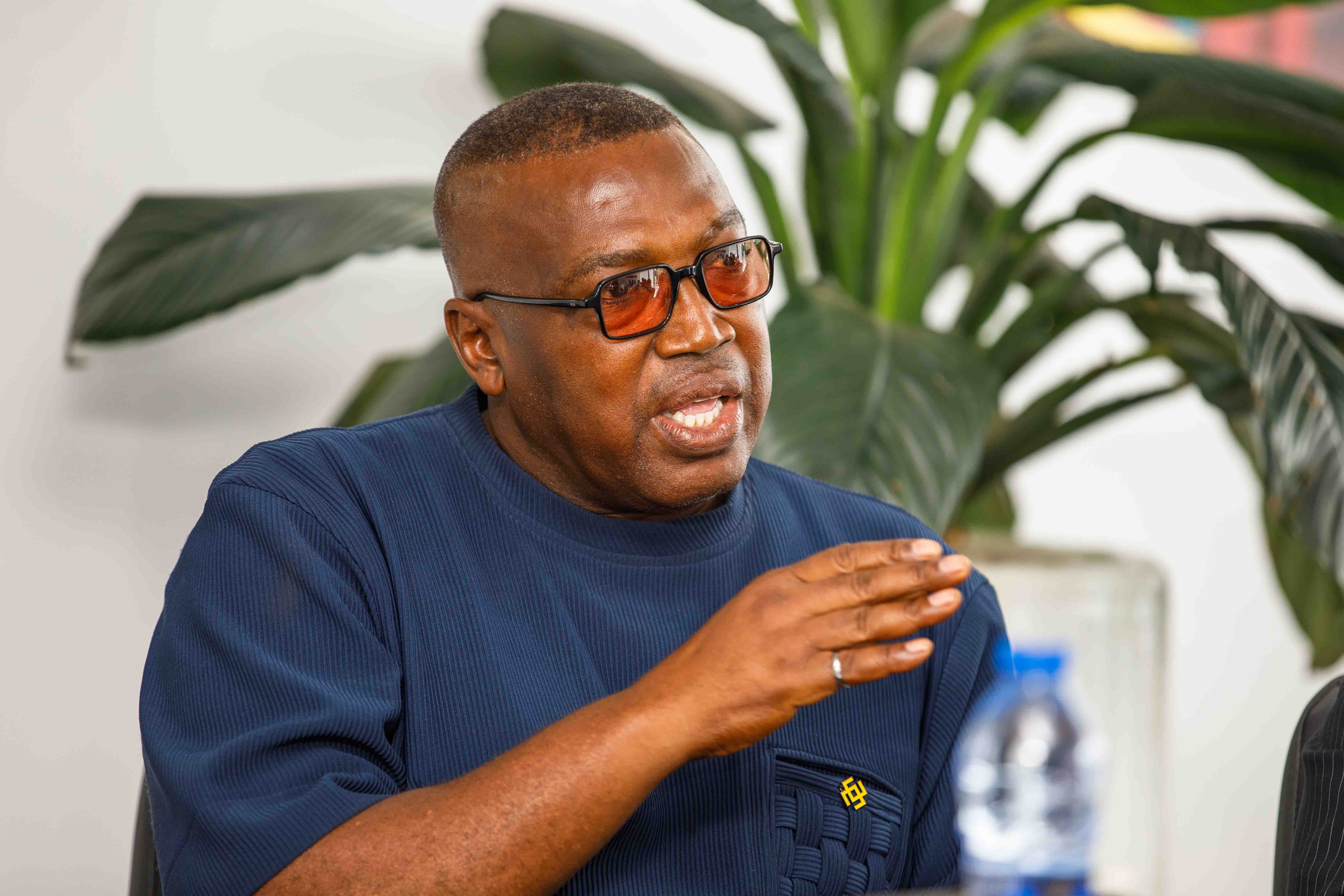
Dr. Ben Asante addressed the critical need to bridge the gap between academia and industry. He urged industries to move beyond the perception that students are not "industry-ready" and to instead recognise and harness their intellectual capacity.
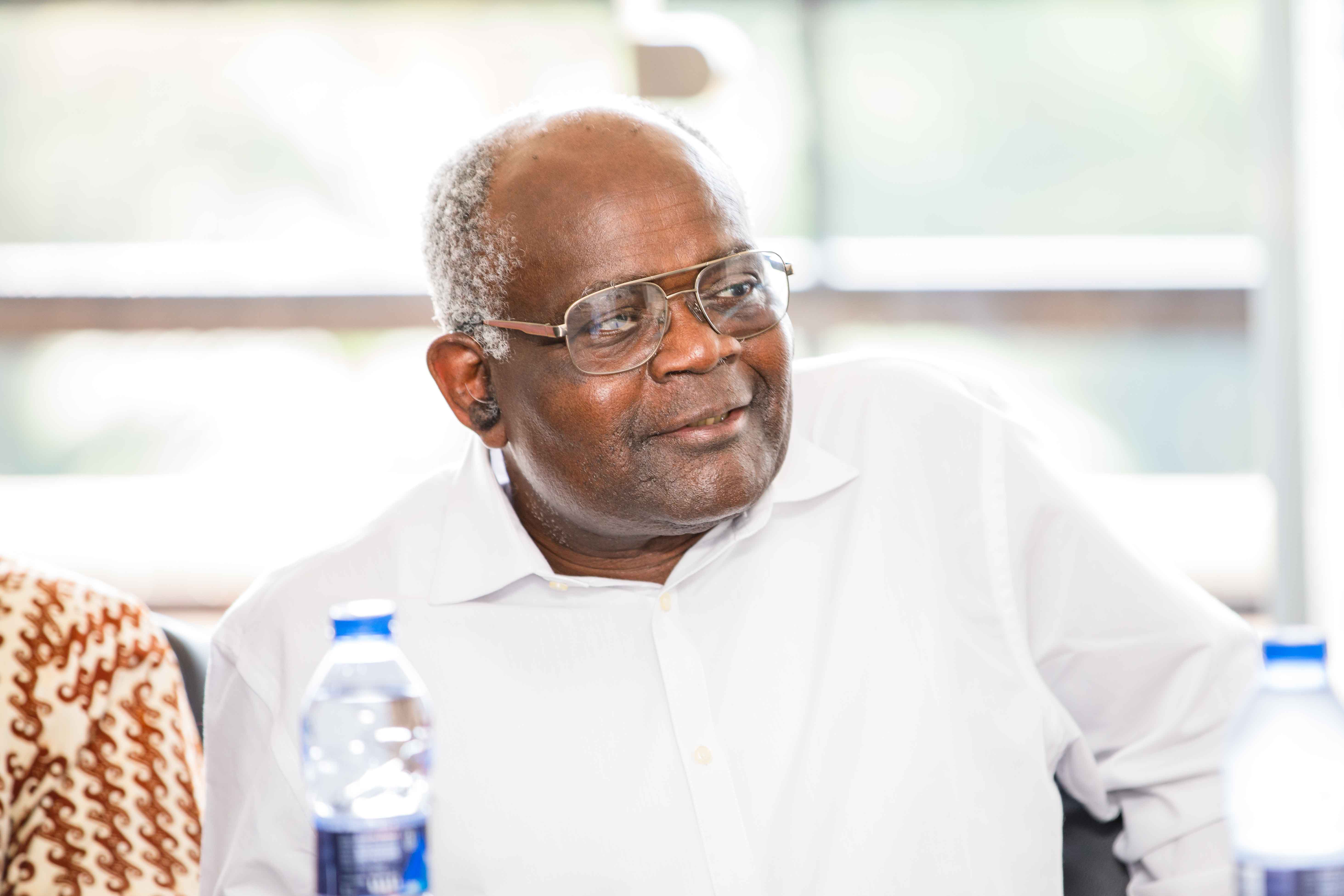
Building on this, Dr Joseph Odartey Cruickshank proposed the establishment of an industrial park near the university, providing students with direct access to hands-on experience. The Vice-Chancellor shared that this had been a personal goal of hers, and she invited a partnership to bring the vision to life. Further enriching the discussion, Prof. Muyiwa Sam Adaramola suggested that industry partners serve as guest lecturers to provide real-world perspectives in the classroom.
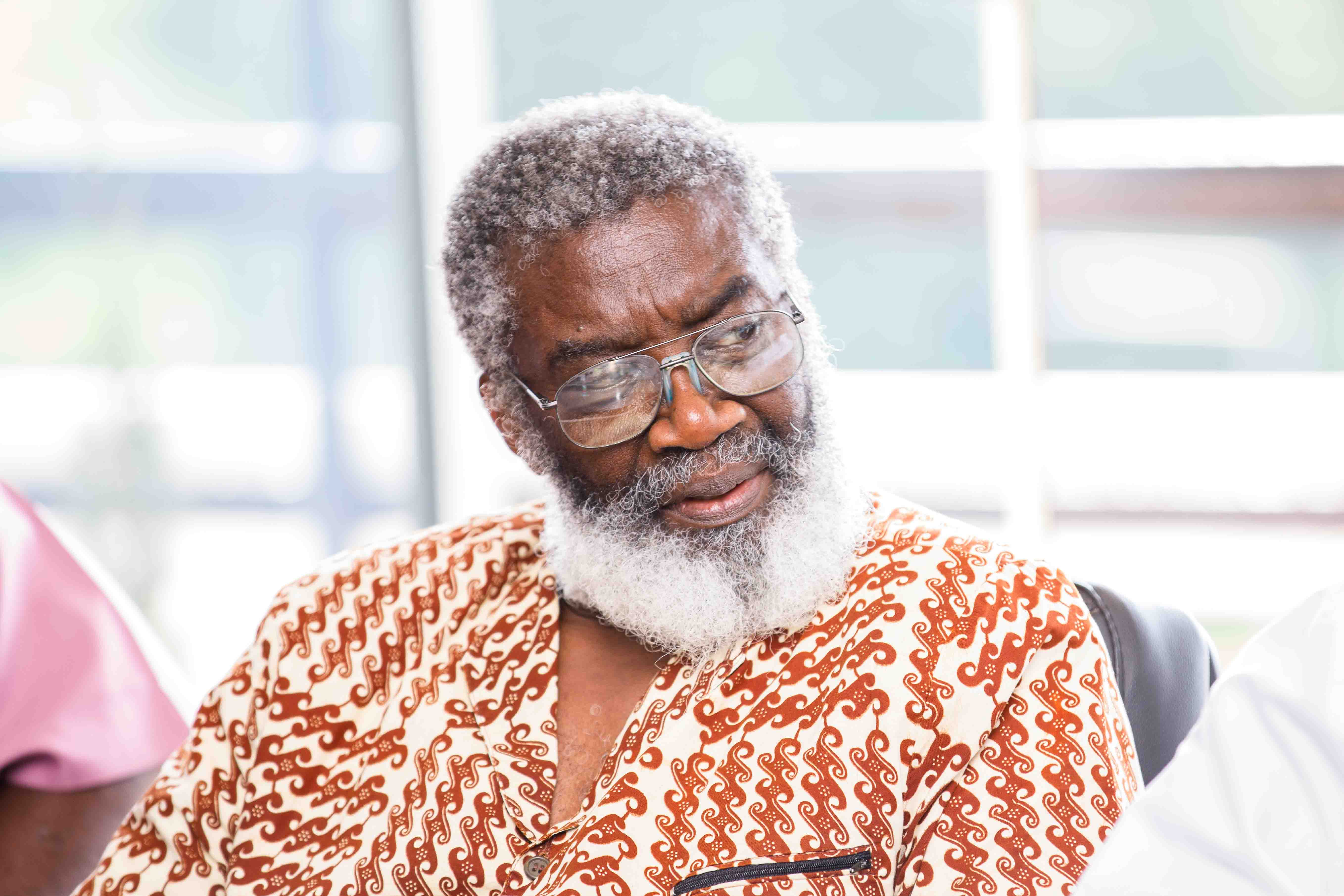
Dr Victor Atiemo-Obeng mentioned the need to engage politicians and secure dedicated budgetary allocations to ensure the sustainability of such innovative projects.
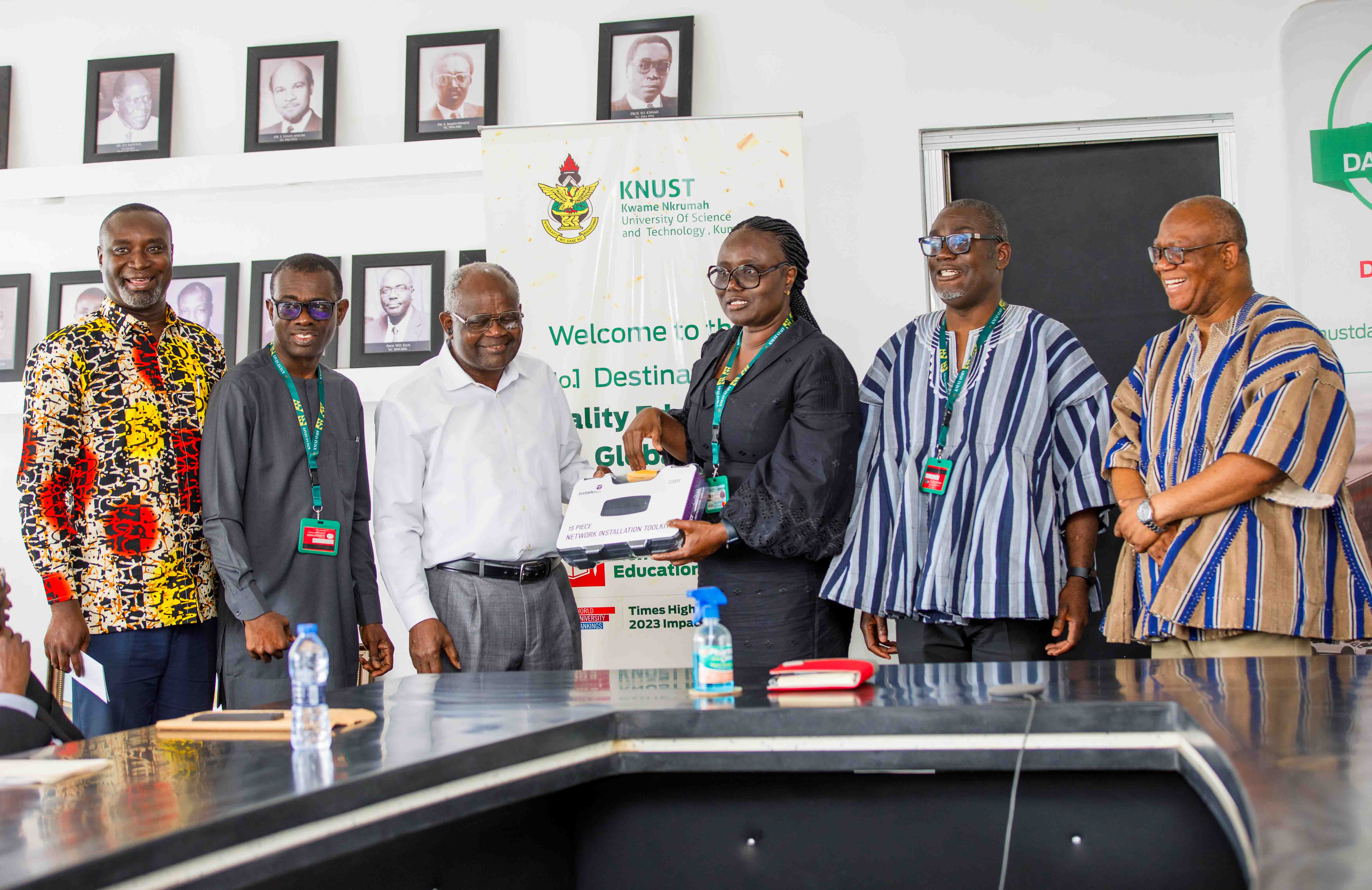
The meeting concluded with a generous donation from Dr Joseph Odartey Cruickshank, who presented a network installation tool to the KEEP project, symbolising a tangible commitment to enhancing the university's practical training facilities.