KEEP NEWS
KEEP Scholar Impact: From Academic Excellence to Environmental Stewardship in Water Management
Published: 04 Feb 2026
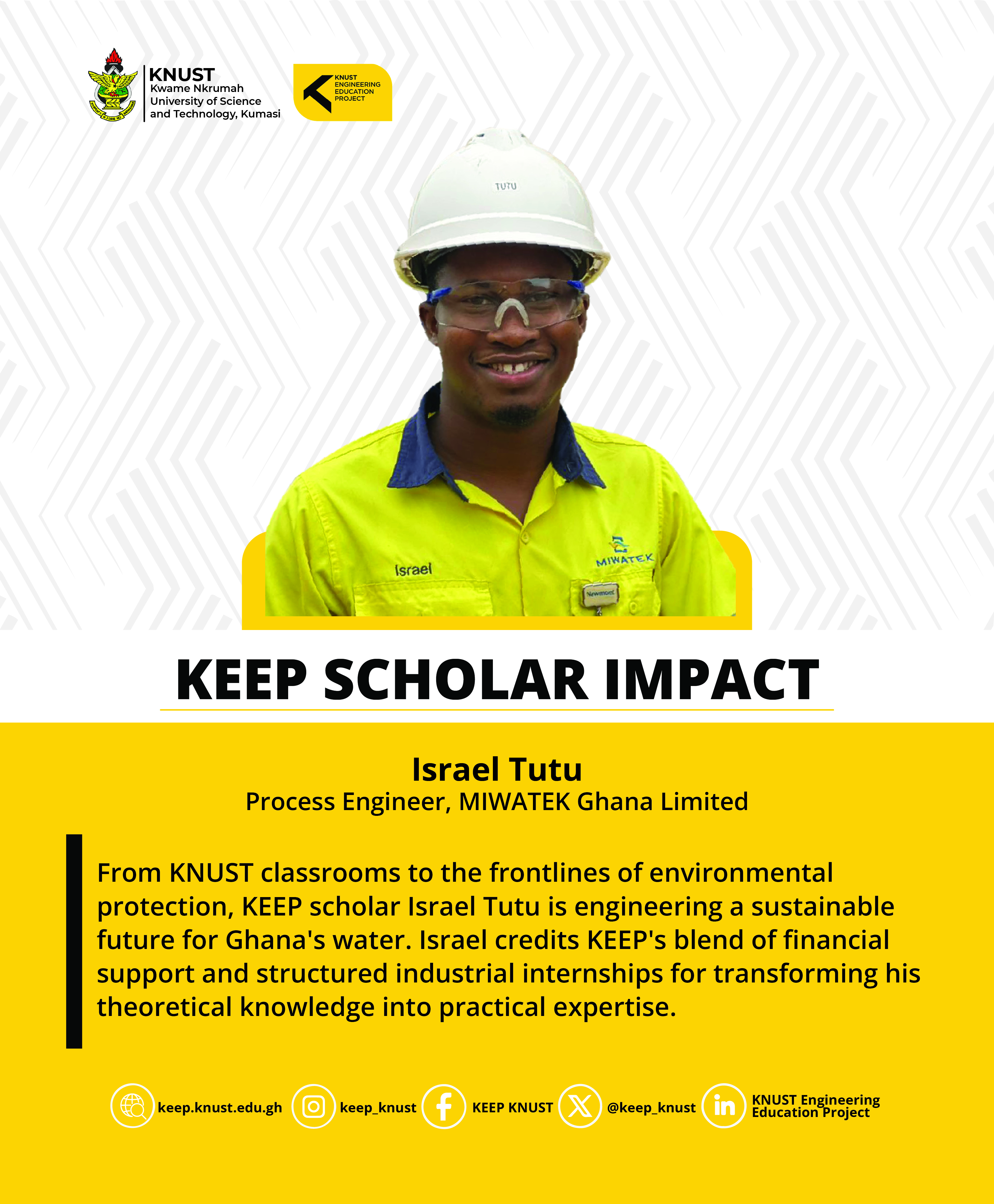
For Israel Tutu, the journey through engineering has been defined by a clear trajectory: from the foundational principles learned in lecture halls to the high-stakes, real-world application of treating impacted mine water. A two-time graduate of KNUST, BSc and MPhil in Chemical Engineering (2019 and 2023), Israel’s academic path was supercharged by his involvement as a KEEP scholar. Today, he stands as a Process Engineer at MIWATEK Ghana Limited, applying his expertise to one of the industry's most critical areas: sustainable water management.
Israel’s introduction to the KNUST Engineering Education Project came through the university's vibrant academic networks. “I learned about the KEEP scholarship through peers and academic networks at KNUST who shared information about these vital support opportunities,” he recalls. This peer-to-peer recommendation highlights the growing community and reputation of the KEEP program among engineering students.
When asked about the most valuable aspect of being a KEEP scholar, Israel says, “It was the financial support and exposure to practical field experience through structured industrial internships.” This dual support eased academic burdens and fundamentally shaped his professional identity.
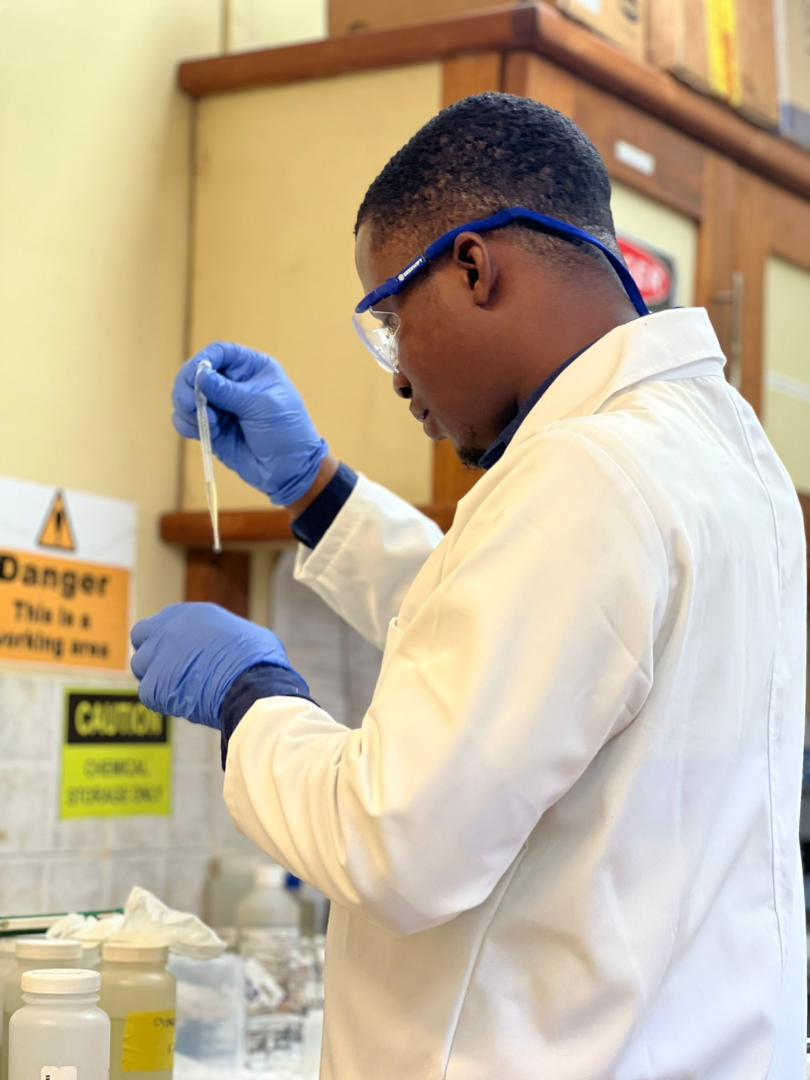
Israel’s career path showcases a deliberate climb through different echelons of engineering practice. After his first degree, he cut his teeth in industry as a Quality Assurance Officer at Adat Water Service, ensuring regulatory compliance and product quality in packaged water production. He quickly advanced to a Factory Manager role at the same company, honing his leadership and operational efficiency.
His current role at MIWATEK Ghana Limited, a contractor to mining operations, represents a focused application of his expertise. “My role focuses on impacted mine water treatment systems, including plant audits, commissioning support, and process monitoring,” he says. Here, he tackles complex environmental challenges head-on, ensuring that mining activities protect vital water resources.
Reflecting on his preparation, Israel credits both KNUST and KEEP for equipping him with a complementary toolkit. “KNUST provided me with an unshakable technical foundation in chemical and process engineering,” he notes. “KEEP built upon that by strengthening my problem-solving, communication, and professional discipline.”
He emphasises the unique value of the KEEP model: “Through the industrial internships, I gained hands-on experience in interpreting process data, understanding plant systems, and working with multidisciplinary teams. KEEP effectively bridged the gap between theoretical research and industrial practice, helping me appreciate the profound role of engineering in community and environmental impact.”
Looking to the future, Israel Tutu’s goals are rooted in sustainability and mentorship. “In the long term, I aim to contribute to sustainable water and environmental management, particularly within the mining industry,” he shares. “My goal is to become a highly skilled process engineer who designs and operates systems that protect water resources, reduce pollution, and improve public health.”
Beyond technical contributions, he also hopes to mentor young engineers and support initiatives that connect engineering knowledge with community development.”
Israel Tutu’s story is a compelling chapter in the KEEP legacy. It demonstrates how targeted support, providing financial aid with compulsory industry immersion, can shape a competent graduate into a responsible engineer. His journey from a KEEP scholar to guardian of Ghana’s water resources underscores a core tenet of the KEEP philosophy: that the true measure of engineering education is its tangible, positive impact on society and the environment